

Neck Mobility
Helping you comfortably move your neck through the ranges you need for work, driving, exercise, and everyday life.
Posture care should not mean forcing yourself into one “perfect” position.
At Summit Spine & Wellness, Dr. Hiebert looks at how you sit, stand, move, work and use your body throughout the day, then builds practical exercise and movement strategies around what you actually need.
Movement and strength-focused approach
Practical strategies for work and daily life
No one-size-fits-all “perfect posture”
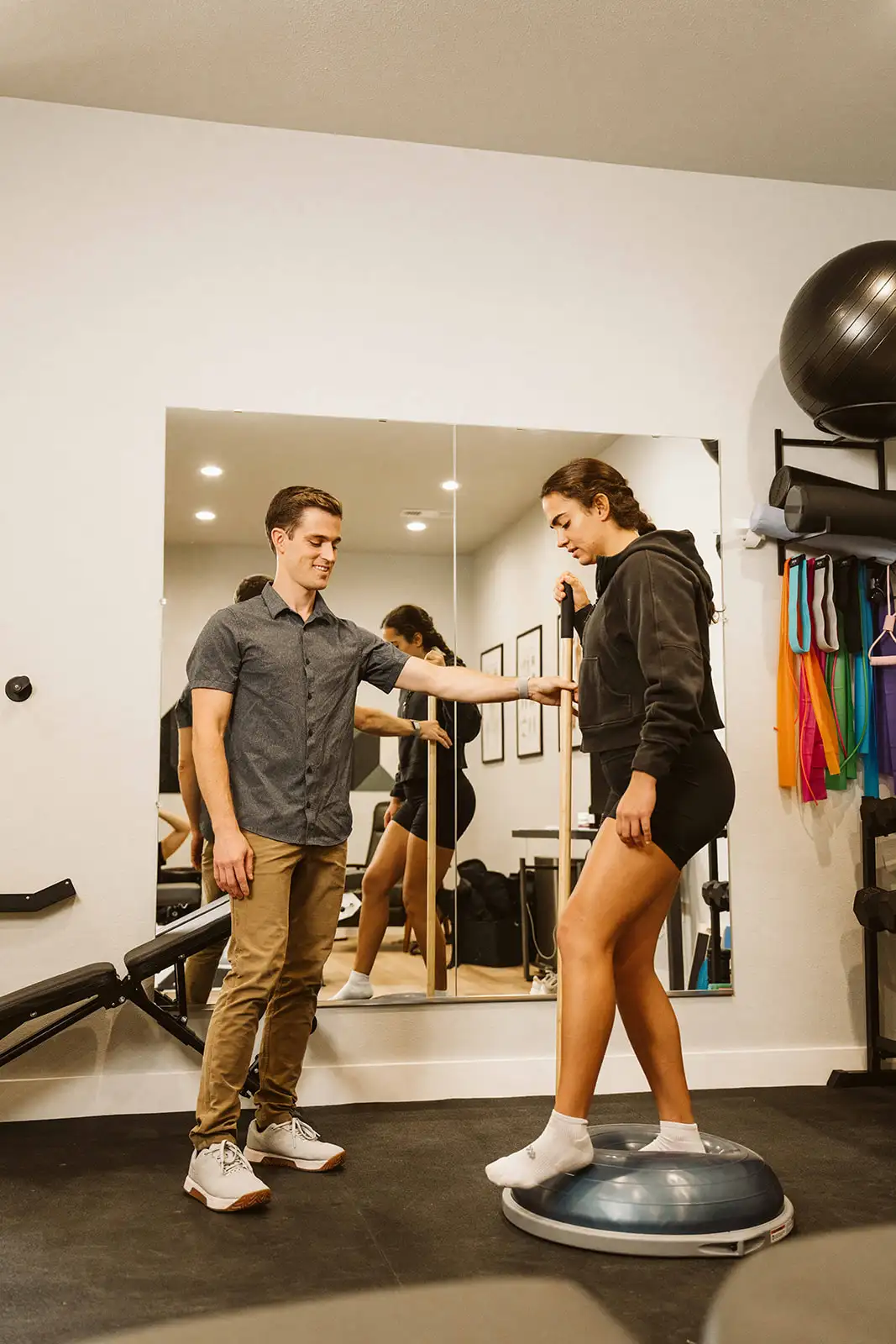
Built for Real Life
Practical Movement Strategies
Most of us grew up hearing some version of:
“Sit up straight.”
But posture is more complicated than whether your shoulders are pulled back or your head lines up perfectly in a photograph.
Your body is designed to move.
And there is not one position that every person needs to maintain every minute of the day.
Which positions do you spend the most time in?
What movements seem to bother you?
How often are you able to change positions?
What does your work environment look like?
Are strength or mobility limitations affecting how you move?
What activities are you trying to perform more comfortably?
Sometimes a position itself is not the whole issue.
The amount of time you spend there, how often you move, how your workstation is set up, your activity level, strength, mobility, stress, sleep, and other factors can all play a role.
The goal is not perfect posture. The goal is better options.
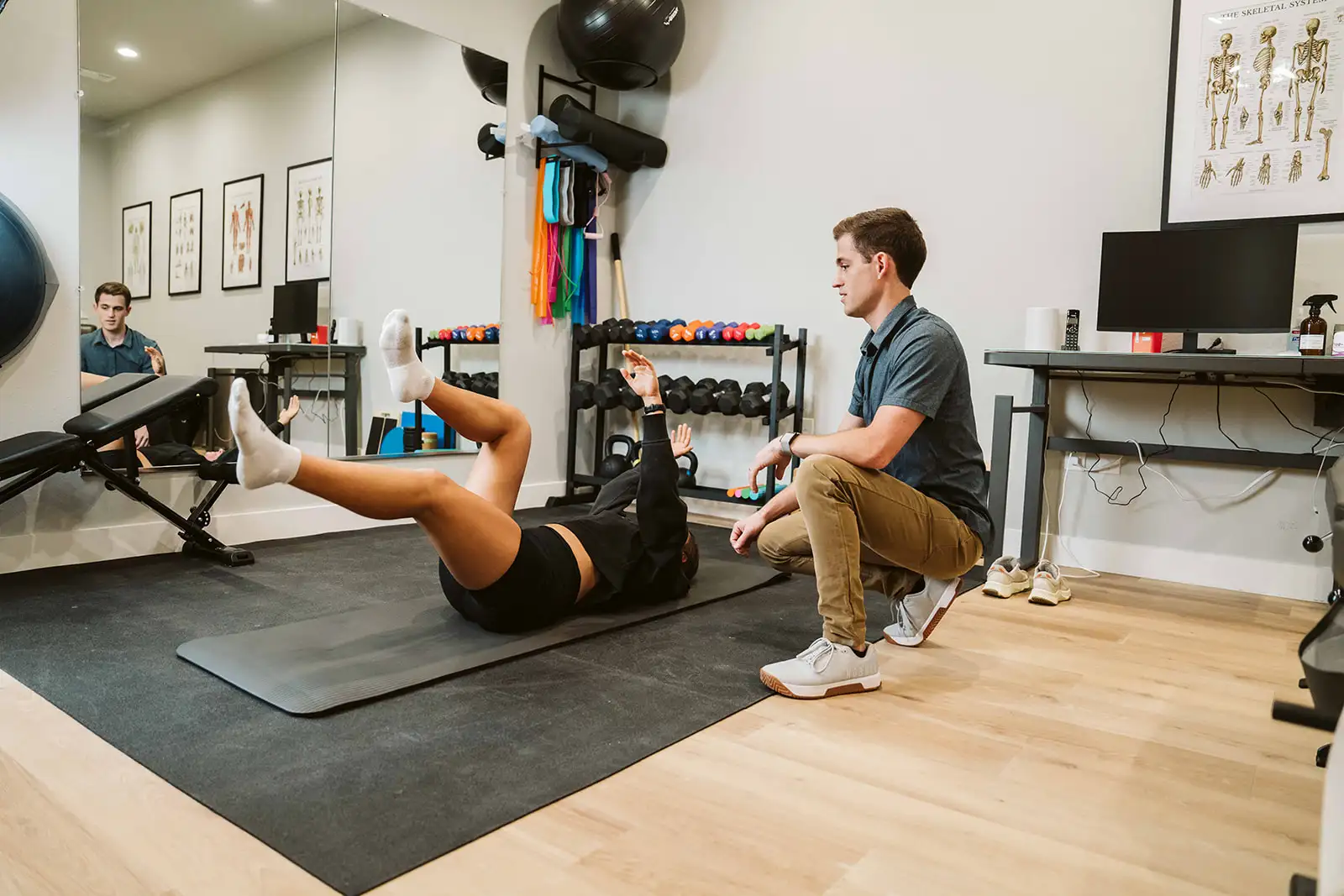
Exercise is one of the most consistently supported conservative strategies for many musculoskeletal conditions.
For people with neck, shoulder, or upper-back discomfort, appropriately selected strengthening, mobility, endurance, and movement exercises can help improve pain and function.
Ergonomic changes and movement breaks may also help when workstation demands or prolonged positions are contributing to symptoms.
That does not mean posture is the cause of every problem or that everyone needs to be “corrected.”
At Summit, corrective exercise is used to address specific limitations or demands identified during your evaluation and to help you build greater tolerance for work, exercise, and everyday activity.
Yes, but posture is usually one factor among many rather than a single explanation for pain.
For example, someone who spends most of the workday sitting at a computer may notice neck tightness toward the end of the afternoon.
Someone who drives for hours may notice their upper back becoming uncomfortable.
Someone who works from a laptop may spend long periods looking slightly downward.
Another person may move very little during the workday and then wonder why everything feels stiff when they stand up.
Research does not support the idea that one specific posture reliably causes pain in everyone.
How long you remain in a position
How often you move
Your activity level
Physical capacity
Workload
Sleep
Stress
Previous injuries
Individual sensitivity
Daily positions and movement habits are still worth addressing when they consistently reproduce symptoms or when small changes make your work or daily activities easier to tolerate.
Dr. Hiebert can help you look at those patterns without making you afraid of normal positions or telling you that your posture is “ruining” your spine.
Sometimes the solution is surprisingly practical.
“Text neck” is a common, non-medical term used to describe neck or upper-back discomfort that people associate with prolonged phone, tablet, laptop, or screen use.
Looking down at a device is not inherently damaging, but spending long periods in any position, especially when it repeatedly aggravates symptoms, may be worth addressing.
It is not a reason to panic every time you look at your phone.
And you do not need to walk around holding your device directly in front of your face for the rest of your life.
How long do you stay in one position?
How frequently do you change positions?
Is your setup unnecessarily demanding?
Does your neck and upper back have the mobility, strength, and endurance needed for your day?
Changing device or monitor height
Taking regular movement breaks
Varying your sitting position
Improving neck or upper-back mobility when appropriate
Building strength and endurance
Adjusting work habits
Using corrective exercises that fit your needs
If your neck or upper back consistently feels uncomfortable during screen use, Dr. Hiebert can look at your movement, daily habits, and work setup to determine what may be worth changing.
The goal of text neck treatment in Colleyville should not be to make you afraid of technology. It should be to help your body handle the demands of modern life more effectively.
A posture assessment should involve more than taking a side-profile photo and drawing lines over your body.
How you actually move and what you do throughout your day matter.
You may look different standing relaxed than you do when working at a computer.
And the way you sit for five minutes in an examination room may not represent the way you sit during an eight-hour workday.
That is why context matters.
The goal of a posture assessment with a chiropractor should be to understand how posture and movement fit into the larger picture, not simply identify something that looks imperfect.
Because almost everyone can look imperfect if you search hard enough.
We would rather focus on what is actually relevant to your life.
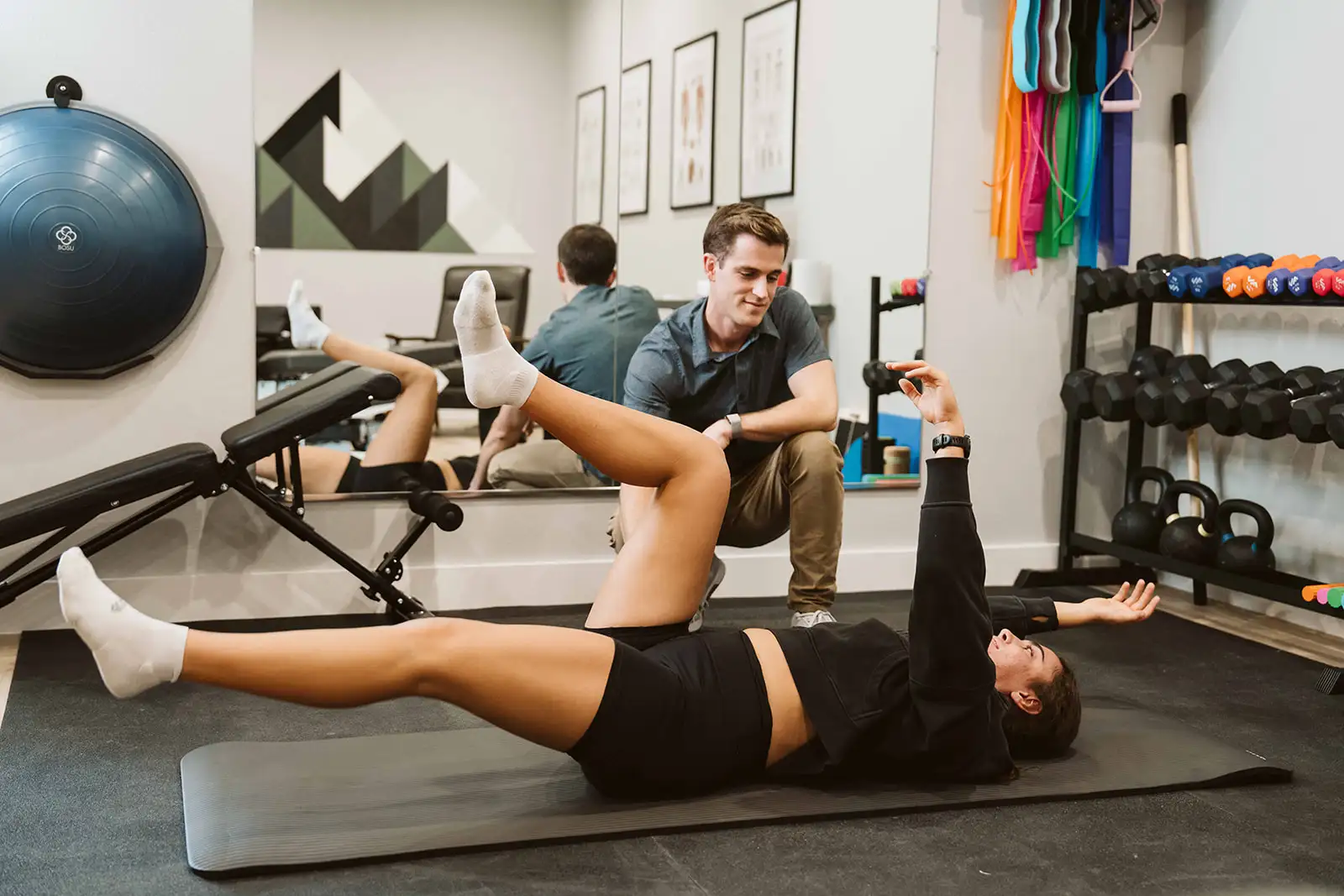
Depending on your situation, Dr. Hiebert may look at:
How you naturally sit
How you naturally stand
Neck movement
Upper-back movement
Shoulder movement
Basic strength and control
Movements that reproduce your concern
Work demands
Driving habits
Screen use
Your workstation setup
Exercise and recreational activities
Previous injuries
What makes the area feel better or worse
Corrective exercise uses purposeful movement to address areas that may benefit from improved mobility, strength, control, or endurance.
That does not mean there is one universal set of corrective exercises for posture.
You may see videos online claiming that three exercises will “fix your posture forever.”
Real people are more complicated than that.
Depending on what Dr. Hiebert finds, exercises may focus on areas such as:
Helping you comfortably move your neck through the ranges you need for work, driving, exercise, and everyday life.
Working on movement through the upper back when limited motion appears relevant to your symptoms or activities.
Addressing shoulder mobility or control when reaching, lifting, working overhead, or other movements are part of the problem.
Sometimes the issue is not simply mobility. The muscles involved in supporting prolonged positions may need greater strength or endurance.
You may benefit from practicing certain movements with better control rather than simply trying to stretch everything that feels tight.
The important part is understanding why an exercise is being recommended, what it is intended to improve, and how progress will be judged.
Exercises can then be progressed, modified, or removed as your capacity changes.
The exercise should solve a problem that actually matters to you.
If your job keeps you at a computer for much of the day, your workstation deserves attention.
But ergonomics does not have to become complicated.
Small ergonomic adjustments can sometimes reduce unnecessary physical demands and make the workday more comfortable, especially when they are combined with regular movement and adequate physical capacity.
Dr. Hiebert may discuss areas such as:
Monitor height and position
Laptop placement
Keyboard and mouse location
Chair setup
Foot support
Desk height
Reaching patterns
Standing desk use
How frequently you change positions
Movement breaks throughout the day
The objective is not to create a workstation that forces you into one exact posture for eight hours. Even a well-designed desk can become uncomfortable if you never move. Instead, think of ergonomics as making your work environment easier for your body to use. A good setup should reduce unnecessary strain while still allowing you to move and change positions naturally.
Your workstation should work for you. You should not have to work for your workstation.
Trying to hold a “perfect” posture every minute can become exhausting.
You may even find yourself becoming more tense because you are constantly checking whether your shoulders are back, your core is tight, your head is centered, and your feet are placed exactly right.
That is probably not necessary.
Instead, it may be more useful to think about posture as something that changes.
Movement variety can be more practical than chasing one perfect position.
You do not need a twenty-minute mobility routine every hour. Sometimes a movement break is exactly what it sounds like:
Get up.
Walk to get water.
Stand during a phone call.
Move your shoulders.
Turn your head.
Take a short walk.
Change chairs.
Switch from sitting to standing.
Look away from your screen.
The purpose is not to constantly interrupt your work. It is to avoid spending long stretches of the day in exactly the same position when your body would benefit from some variety.
Small changes that you can consistently use often matter more than an elaborate plan you abandon after three days.
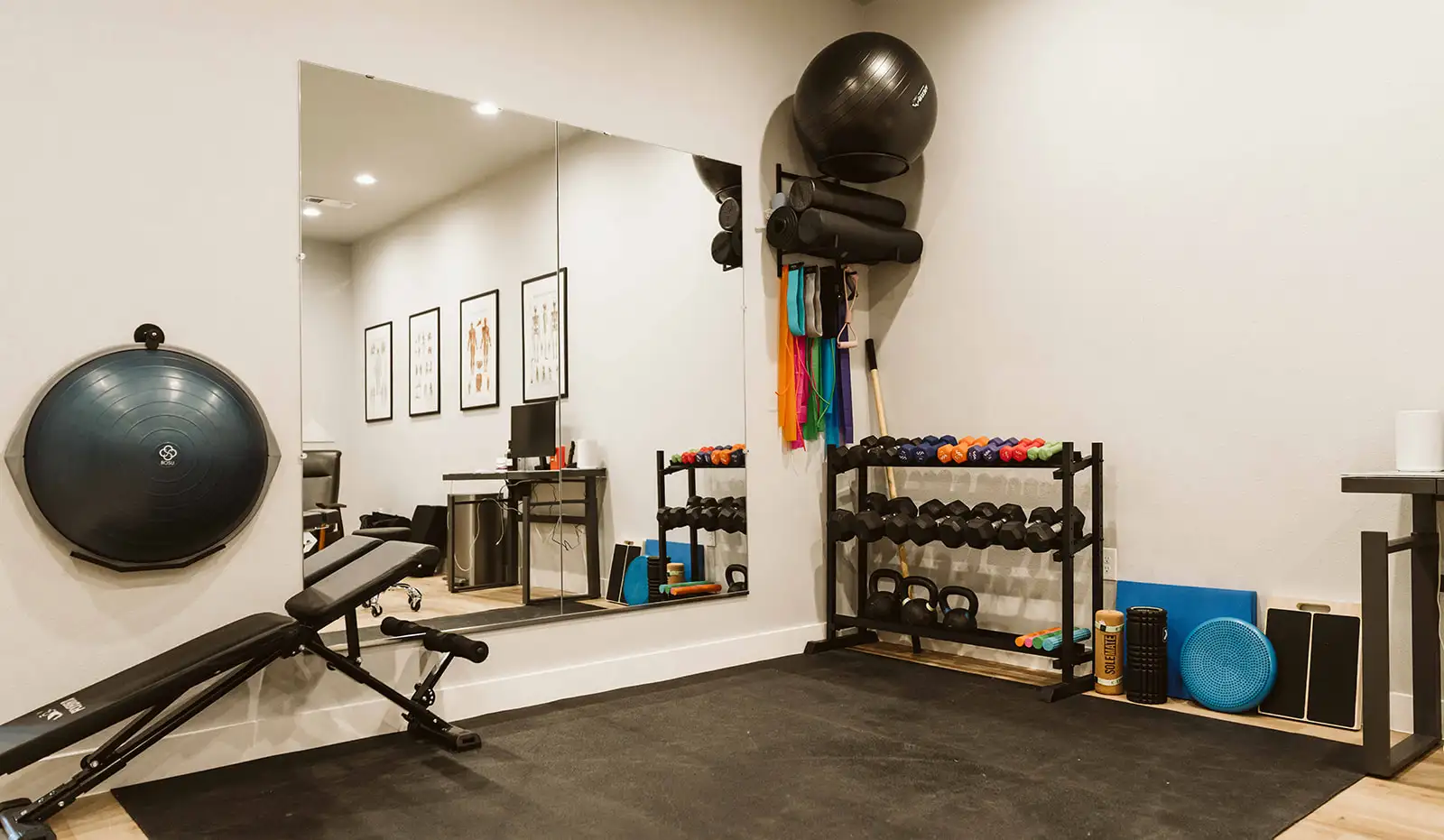
If Dr. Hiebert recommends exercises to perform at home or during the workday, they should fit your actual life.
You should know:
What exercise to perform
How to perform it
Why it has been recommended
How it relates to your goal
How often you should perform it
When the exercise may need to progress or change
The goal is not to give you an enormous homework assignment.
You should not need a second job just to complete your home exercise program.
A focused program that you understand and can perform consistently is often more useful than an unnecessarily long routine.
As your mobility, strength, endurance, or tolerance improves, the program should progress with you.
There is some natural overlap between corrective exercise and active rehabilitation, but the two Summit services have different areas of emphasis.
This service focuses more heavily on:
Desk-related discomfort
Posture habits
Workstation ergonomics
Text neck
Prolonged sitting
Everyday movement habits
Neck and upper-back mobility
Practical home exercises
Active rehabilitation has a broader emphasis on:
Injury recovery
Strength progression
Mobility progression
Movement control
Functional rehabilitation
Measuring progress
Returning to exercise, sports, work, and other activities
You do not need to determine which category you belong in.
Dr. Hiebert can evaluate what is happening and help decide which approach makes the most sense.
Explore Active RehabilitationCorrective exercise may be enough for some situations.
For others, additional Summit services may be considered when appropriate.
Chiropractic adjustments may be considered when pain or joint mobility appears to be limiting movement.
When used, the goal is to complement, not replace, the active strategies that build longer-term capacity.
Explore Chiropractic AdjustmentsWhen you need a more structured progression of strength, mobility, control, or return to activity, active rehabilitation may play a larger role.
Explore Active RehabilitationHands-on soft tissue techniques may be considered when muscle tightness or restricted movement is part of the concern.
Explore Soft Tissue TherapyDry needling may be considered for selected muscle-related concerns when appropriate.
Explore Dry NeedlingThese options are available so care can be individualized, not because every patient needs multiple therapies.
The emphasis remains on the smallest, most useful combination of strategies that helps you make measurable progress.
Posture and prolonged positions can influence symptoms for some people, but there is no single “bad posture” that predictably causes neck or back pain in everyone. Pain is usually multifactorial. The more useful question is whether a particular position, workload, or movement habit consistently aggravates your symptoms and whether changing it helps.
Text neck is a common, non-medical term for neck or upper-back discomfort associated with prolonged screen use. Looking down is not inherently harmful. Duration, movement variety, workstation demands, and physical capacity may all matter.
Dr. Hiebert may look at how you sit, stand, and move, along with neck, shoulder, and upper-back movement, work demands, workstation habits, previous injuries, and the activities that affect how you feel.
No. There is no need to force yourself into one rigid posture for the entire day. Changing positions and moving regularly may be more practical than trying to maintain one “perfect” position.
That depends on your evaluation. Exercises may address mobility, strength, endurance, or movement control based on what appears relevant to your situation and goals.
Dr. Hiebert can discuss practical ergonomic considerations and movement habits that may make your work environment easier for your body to tolerate.
Corrective Exercise & Posture focuses more heavily on everyday positions, desk habits, ergonomics, text neck, and practical movement strategies. Active Rehabilitation is broader and typically focuses more on structured progression of strength, mobility, movement control, and return to activity.
If your neck, shoulders, or upper back keep getting your attention during work, driving, screen use, or other everyday activities, you do not need to spend the rest of your life wondering whether you are sitting correctly.
Start by understanding what your body is doing and what your day actually requires.
Summit Spine & Wellness provides individualized posture correction in Colleyville, TX with a practical approach focused on movement, corrective exercise, ergonomics, and habits you can realistically use.
Summit Spine & Wellness
6416 Colleyville Blvd., Unit 108
Colleyville, TX 76034
Start With Clarity
Tell Dr. Hiebert where you feel limited, what your day looks like, and what you have already tried. He’ll evaluate what may be contributing and recommend practical next steps built around how you actually live and move.
No fear-based posture lectures. No one-size-fits-all exercises. Practical recommendations for real life.
6416 Colleyville Blvd., Unit 108 · Colleyville, TX 76034